



1. Industrial Landscape & The Evolution of Tapping Machine Technology in Mold Making
The contemporary precision mold and die industry operates under razor-thin tolerances and increasingly compressed delivery schedules. Modern high-precision molds—such as multi-cavity injection molds for optical components, micro-fluidic medical modules, and structural automotive dies—require high surface integrity and flawless mechanical fastening geometries. Within this demanding framework, threading is often one of the final machining sequences executed on costly, pre-hardened tool steel blocks (such as NAK80, H13, S136, or 1.2344 treated up to 50–55 HRC). A broken tap or stripped thread at this late stage can lead to catastrophic scrappage or expensive EDM salvage processes, rendering traditional manual or semi-rigid tapping completely obsolete.
Consequently, dedicated Tapping Machine For Precision Mold Machining systems—ranging from articulated electric intelligent tapping arms to high-speed CNC rigid tapping centers—have transitioned from auxiliary workshop utilities into critical strategic assets. The global manufacturing sector demands synchronized servo-electric control, instantaneous torque monitoring, and micron-level depth repeatability to maintain total quality control over complex mold base production.
Adaptive Torque Control
Intelligent algorithms detect dynamic mechanical resistance, auto-reversing the tap upon chip compaction or reaching pre-set torque thresholds to prevent tap breakage in deep cavities.
Micron-Level Depth Control
Closed-loop linear feedback systems guarantee depth repeatability within ±0.01mm, critical for blind cooling manifold holes and ejector plate guide-pin anchors.
Flexible Kinematic Reach
Multi-axis articulated arm assemblies allow rapid repositioning over large, complex automotive bumper and casing mold plates without repeated, cumbersome workholding setups.
2. Advanced Technical Analysis: Overcoming Mold Steels & Deep-Hole Constraints
Machining female threads in mold-making involves fundamental tribological and metallographic challenges. Tool steels exhibit high yield strength, strong work-hardening behavior, and substantial abrasive wear on cutting edges. Utilizing an advanced tapping machine alongside precision toolholders, high-rigidity collets, and solid carbide or vanadium-alloy taps alters the machining dynamics:
Blind Hole Cooling Lines & Hydraulic Manifolds: Conformal cooling systems in plastic injection tooling demand leak-free, high-pressure NPT, PT, or standard metric thread connections at extreme depths. Dedicated precision tapping units regulate spindle speeds and programmatic chip-breaking peck cycles, ensuring that chips are segmented and evacuated via pressurized internal cooling fluids without gouging the thread flank or jamming the core.
Elimination of Pitch Discrepancy via Synchronous Servos: Traditional tapping attachments rely heavily on axial tension-compression float, which can introduce lead errors and axial ovality. Modern CNC and articulated tapping machines integrate rigid synchronized servo loops where spindle rotation and Z-axis feed maintain absolute mathematical lockstep down to fractional encoder pulses. This yields clean, distortion-free class 6H or 4H internal threads with superior fatigue resistance under repetitive thermal and mechanical cycling.
3. Strategic Commercial Advantages and Operational ROI
Deploying specialized tapping machine units within a mold manufacturing facility offers substantial financial returns. When complex mold plates require 50 to 300 threaded holes across multiple faces, utilizing a multi-axis CNC milling center exclusively for tapping ties up high-hourly-rate equipment on low-complexity operations. Modern shop floors optimize throughput by separating heavy roughing/finishing from thread production:
By routing tapped hole operations to high-speed articulated electric tapping stations adjacent to CNC cells, shop managers can boost high-end 5-axis machining center throughput by 20% to 35%. Concurrently, integrated overload warning sensors completely eliminate tap breakage, preventing thousands of dollars in lost technician time, emergency spark erosion extractions, and damaged mold cavities.
4. Emerging Industry Trends: IoT, Digitalization, and Smart Manufacturing
Looking toward Industry 4.0, tapping technology for mold machining is evolving along three critical developmental pathways:
Data-Driven Tool Life Predictive Analytics: Next-generation systems aggregate cutting torque curves across each thread cycle. Sub-millisecond variations indicate progressive flank wear on the tap, triggering automated tool replacement alerts prior to micro-chipping or catastrophic failure.
Autonomous Cobot & Robotic Cell Integration: Articulated tapping arms are increasingly paired with vision-guided collaborative robots. These autonomous cells automatically scan mold plates, detect drilled hole coordinates via optical positioning, identify hole diameters, and execute threading sequences with zero human intervention.
Specialized Micro-Threading for Medical & Micro-Electronics Molds: The exponential growth of wearable electronics, micro-optics, and minimally invasive surgical tools requires injection molds with micro-fastener threads (M0.8 to M2.0). Micro-finishing tapping units with ultra-low inertia servo motors provide the minute torque sensitivity necessary to thread these delicate geometries reliably.
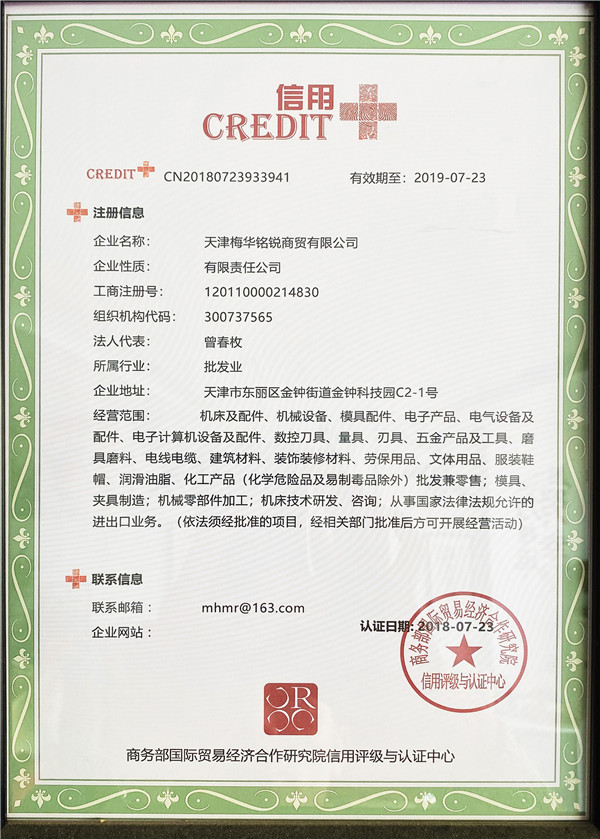
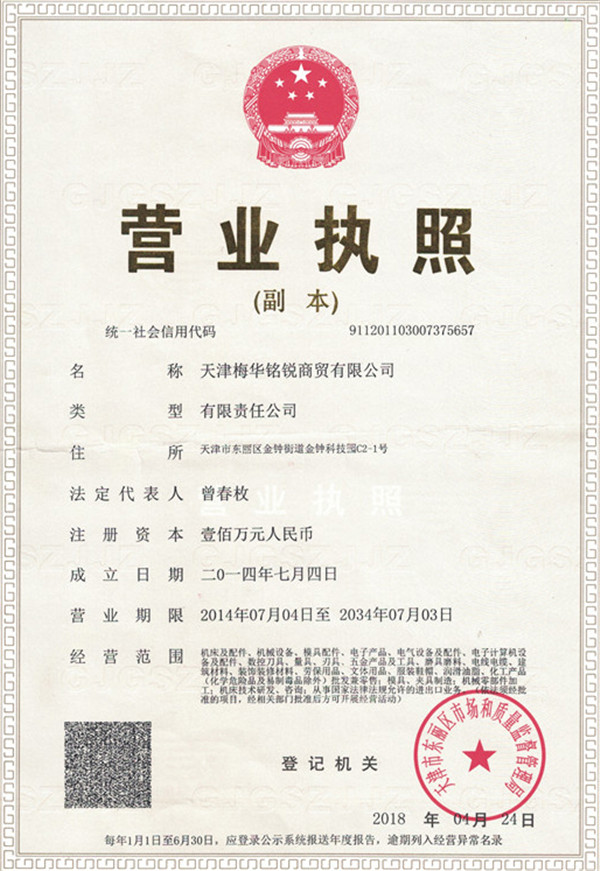
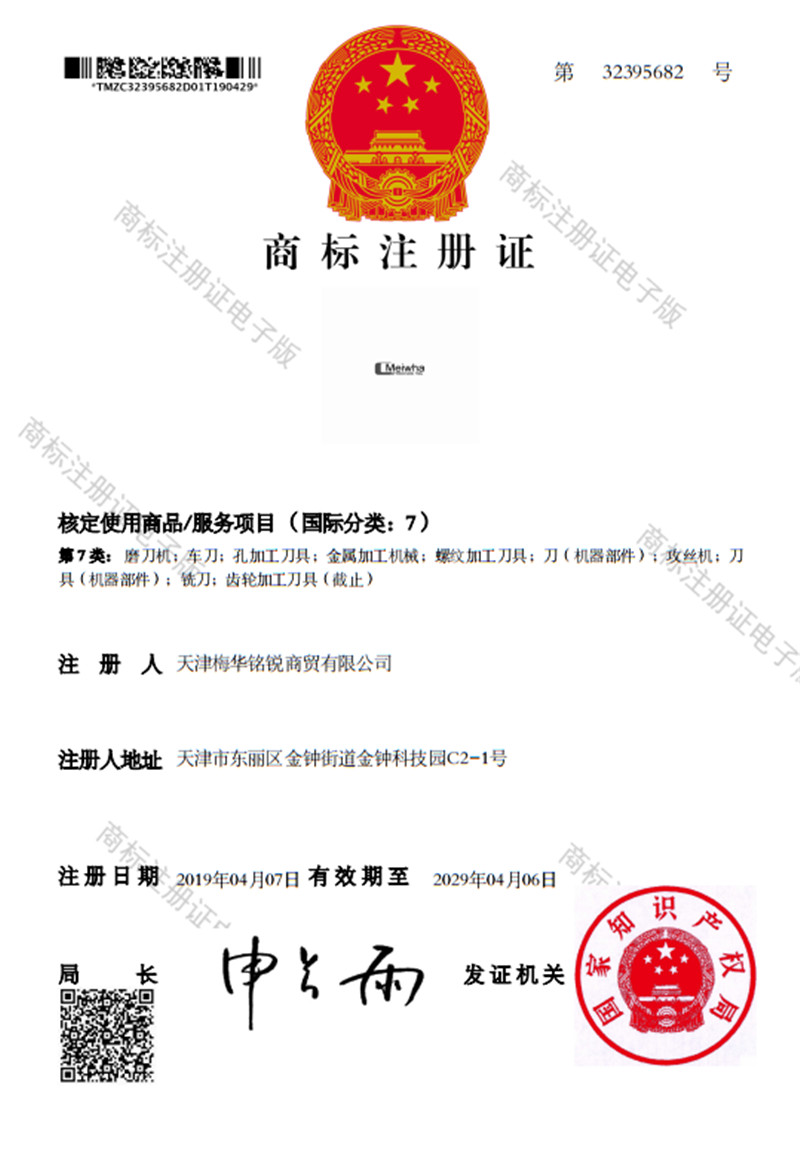
Tianjin MeiWha Precision Machinery Co., Ltd. was founded in June 2005. It is a professional manufactory engaged in all kinds of NC cutting tools, including Milling tools, Cutting Tools, Turning Tools, Tool holders, End Mills, Taps, Drills, Tapping Machines, End Mill Grinder machines, Measuring tools, Machine tool accessories, and other industrial solutions engineered specifically for high-accuracy applications such as precision mold machining.
Combining industry advantages and integrated product resources, Tianjin MeiWha strictly adheres to customer-oriented manufacturing methodologies, providing industrial clients with dependable, high-precision one-stop machining and procurement services.
Our Location: Our company is located in Jingzhong Industrial Park, Dongli District, Tianjin, covering an area of more than 5,000 square meters, with 1,500 square meters of modern office space. Branches, direct stores, subordinate branch agents, and special distributors are strategically arranged across various industrial regions to establish comprehensive distribution and field support services. At the same time, MeiWha products are exported worldwide, including to Dubai, The United Arab Emirates, Switzerland, France, South Africa, India, The Philippines, Thailand, and beyond.
Our Quality Standards: Our standard tooling and accessories meet the highest quality standards, verified by millions of industrial operations for satisfied global customers since 2005. With our mature product portfolio, we deliver comprehensive solutions for drilling, milling, countersinking, reaming, and rigid tapping. With continuous ambition, we develop and optimize our solid carbide product lines. Our strict mechanical tolerances, dynamic balancing, and online inventory availability offer partners ideal conditions for process optimization.
Strategic Advantages: Supported by exceptional product quality, precise delivery lead times, and competitive pricing, MeiWha has established long-term strategic cooperation with major scientific research institutes and heavy industry enterprises, including the Tianjin Jinhang Institute of Physics and Beijing Fangshan Bridge 14th Bureau. We adhere strictly to our quality policy: "Providing customers with satisfactory products through continuous improvement in management and technology."
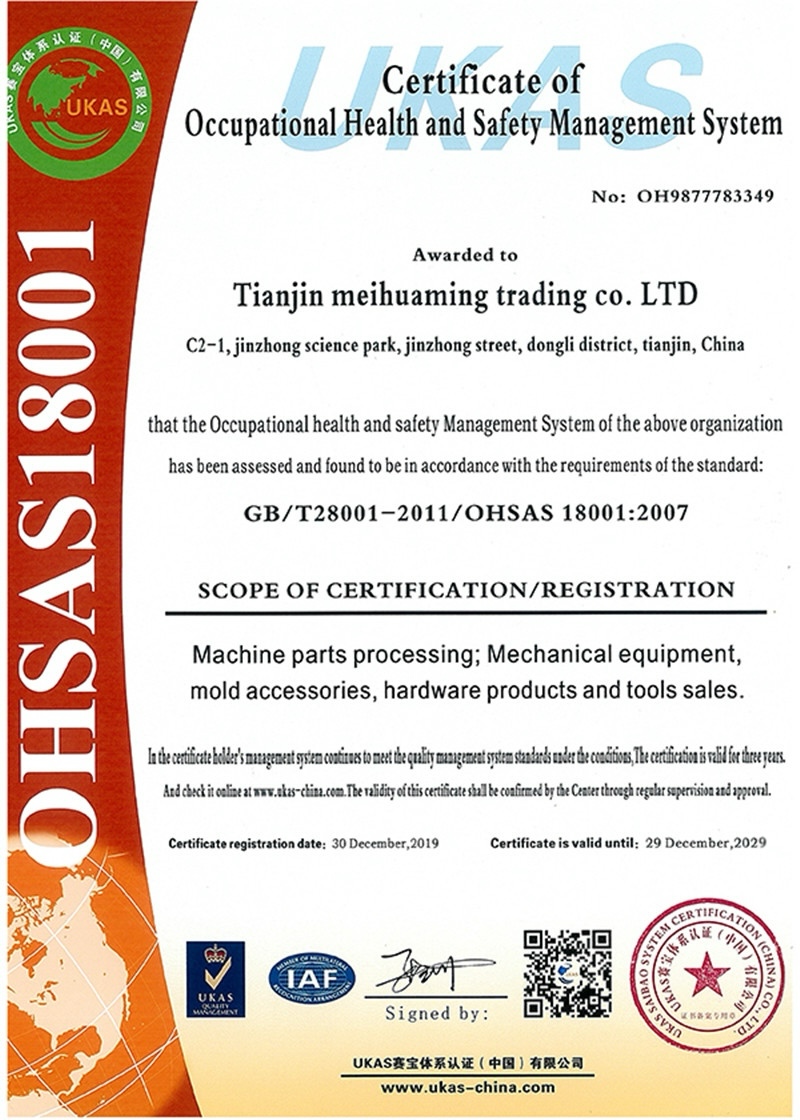
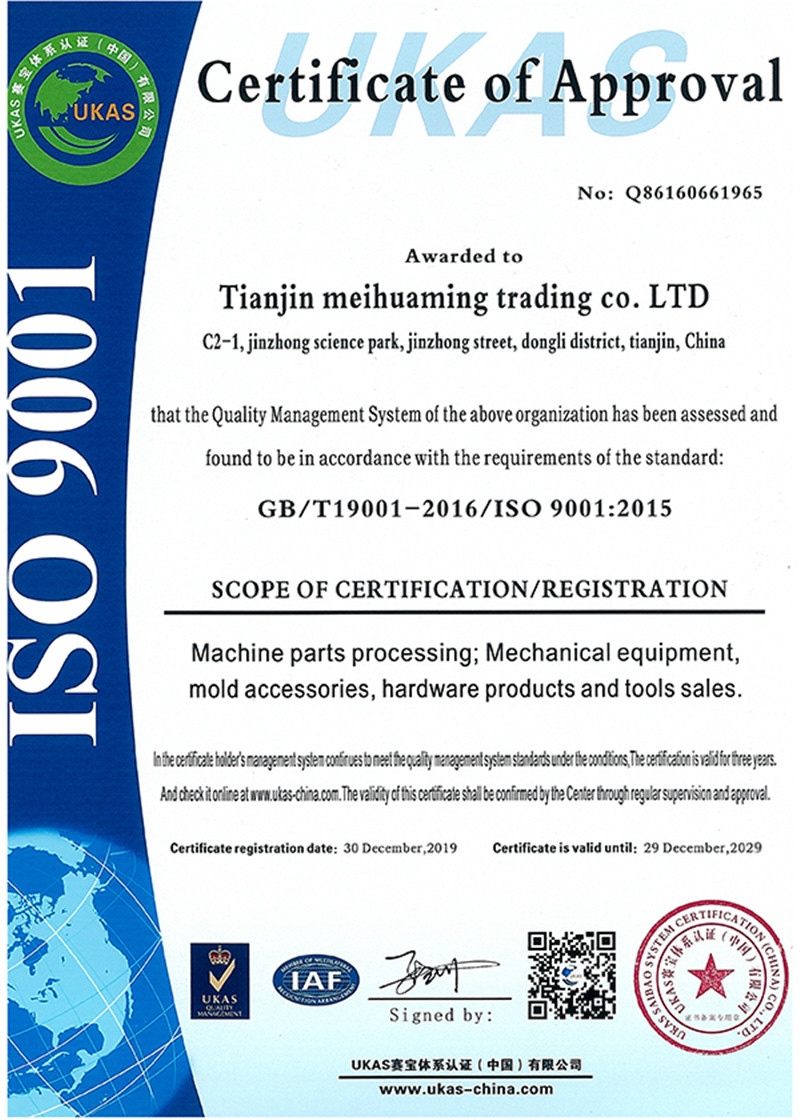
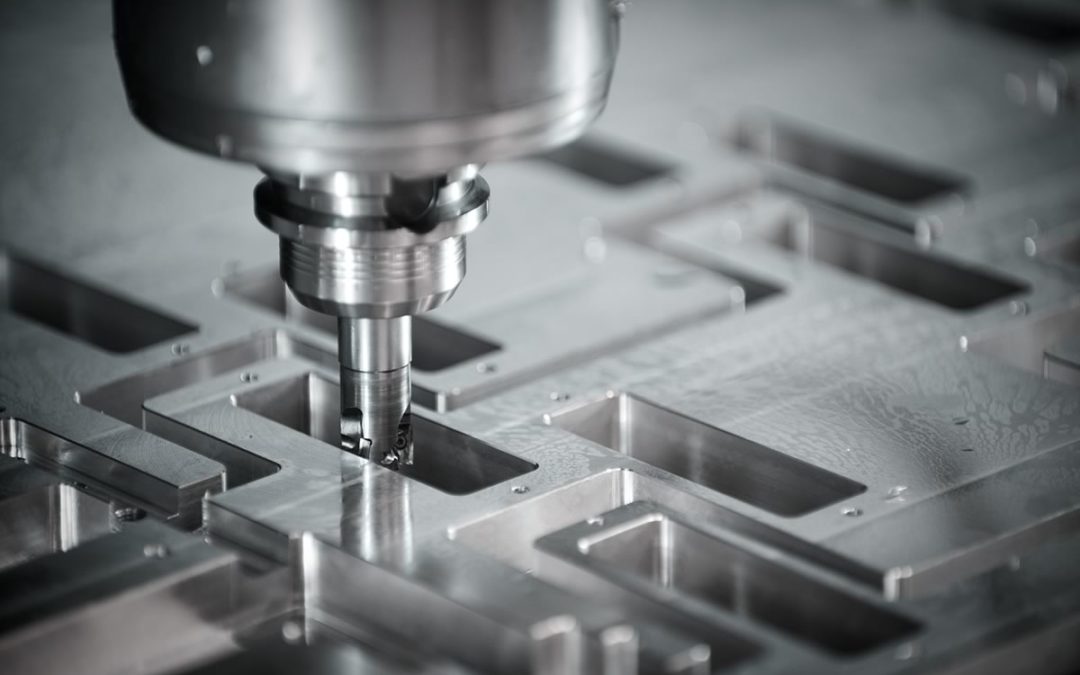


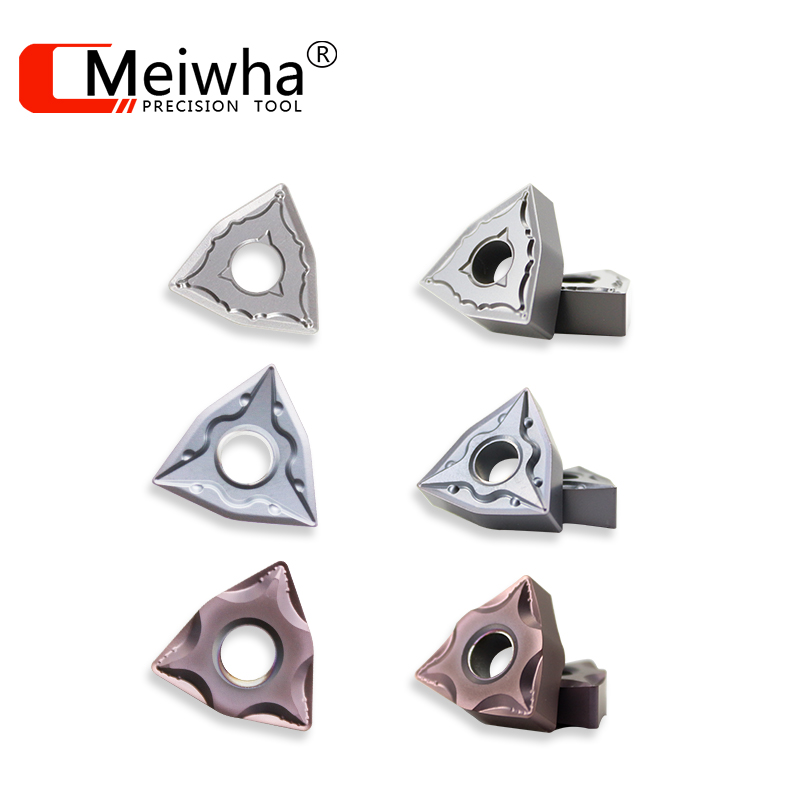
Compatible Inserts & Sub-Systems For Precision Mold Processing






-
Taiwan head office: No. 138-198, Xing'an Road, Zhuangmeili, Dajia District, Taichung City, Taiwan台中市大甲區莊美里興安路138之198號Branch office: No.8 Baisui Science Industrial park,Haihang West Road,Ninghe District,Tianjin,China