
Core Precision Machinery & Milling Tooling
Engineered for seamless integration alongside flexible electric tapping workstations, high-speed CNC machining centers, and heavy-duty structural metalworking facilities across the United States.



Commercial & Industrial Trends in the United States
Why modern machine shops, fabricators, and high-volume manufacturing plants across North America are replacing manual hand tapping and pneumatic arms with smart electric tapping centers.
In recent years, the United States manufacturing landscape has undergone a profound transformation driven by industrial reshoring, supply chain regionalization, and the accelerated adoption of Industry 4.0 automation. As domestic manufacturing hubs throughout the Midwest (Michigan, Ohio, Indiana), the aerospace clusters of the Pacific Northwest and Texas, and the booming defense and EV industrial corridors across the Sunbelt expand production capacity, machining operations face unprecedented demands for dimensional accuracy, rapid turnaround, and zero-scrap throughput.
Historically, internal hole threading (tapping) has remained one of the most failure-prone and labor-intensive bottlenecks in mechanical assembly and fabrication. Traditional manual hand tapping using tap wrenches is notoriously susceptible to human fatigue, axial misalignment, uneven torque application, and frequent tool breakage inside expensive semi-finished components. Concurrently, while conventional pneumatic tapping arms offered greater speed over manual wrenches, they presented significant operational setbacks: volatile torque output, heavy reliance on pressurized pneumatic lines, excessive shop air consumption, high ambient noise decibels, and an inherent inability to accurately regulate thread depth or monitor real-time cutting torque.
The contemporary standard adopted by leading Tier-1 and Tier-2 component suppliers across the United States is the articulated servo electric tapping machine. Operating on high-torque brushless AC servo drives, programmable logic controllers (PLC), and interactive touchscreen interfaces, electric tapping equipment allows machine shop operators to effortlessly tap blind and through holes ranging from microscopic M2 threads up to heavy structural M48 internal threads within seconds, maintaining perpendicularity tolerances within hundredths of a millimeter.
Intelligent Servo Torque Monitoring
Microsecond response torque overload detection prevents costly tap breakages in high-value alloys such as titanium, stainless 316, and Inconel, instantly reversing the spindle before tool failure occurs.
Digital Thread Depth Control
Set target depth down to 0.01mm on intuitive digital touchscreens. The servo arm drives accurately to bottom depth in blind holes and reverses automatically, eliminating broken taps caused by bottoming out.
90% Energy Reduction Over Air Systems
Unlike continuous pneumatic lines that leak air and demand giant compressor horsepowers, electric articulated arms draw energy strictly when cutting, delivering whisper-quiet and ultra-efficient operation.
Localized Applications Across North American Industries
From job-shop mold repair in the Rust Belt to aerospace fabrication along the West Coast, examine how electric tapping arms optimize cycle times and cut overhead expenses.
1. Offloading Expensive 5-Axis & Vertical CNC Centers
CNC machining time in United States precision shops frequently bills out between $95 to $200+ per hour. Utilizing a multi-axis CNC machine center merely to thread dozens of M4 through M16 holes on large baseplates is an inefficient utilization of capital machinery. By offloading hole threading to an auxiliary benchtop or mobile articulated electric tapping machine, machinists keep CNC spindles dedicated to high-value contouring, 3D profiling, and hogging out material. The operator can effortlessly tap dozens of holes in parallel during the CNC cycle, effectively doubling shop floor productivity.
2. Heavy Plate Fabrication & Structural Steel Works
In heavy equipment manufacturing (caterpillars, agricultural equipment, structural bridge beams), components are frequently too large, bulky, or heavy to crane onto a traditional milling table. Articulated flexible arm tapping machines boast reaching radiuses up to 2000mm with 360-degree rotating universal heads. Equipped with heavy-duty permanent magnetic mounting bases, the electric tapping unit can be brought directly to the workpiece, locked onto steel girders or thick plates in any spatial orientation (vertical, horizontal, or inverted overhead), executing clean threads without costly part handling.
3. Automotive EV Battery Enclosures & Die Casting
The explosive rise of electric vehicle manufacturing in Ohio, Georgia, and Nevada demands the rapid tapping of hundreds of blind fastener holes into extruded 6000-series aluminum chassis and die-cast battery tray housings. The integrated pitch-tracking and high-speed servo capabilities of modern electric tapping systems allow cycle times of under 2 seconds per hole with zero cross-threading, strictly adhering to stringent automotive Class 6H/2B thread gauge standards.
4. Plastic Injection Tooling & Stamping Die Maintenance
Die and mold toolmakers require blind hole tapping through pre-hardened tool steels (H13, P20, S7, D2). Tapping hardened materials carries significant risk of tap seizure. With programmable stepping chip-breaking routines (peck tapping cycles) built directly into the servo controller, the tap penetrates incrementally, clears chips, lubricates, and resumes cutting, preserving tap flutes and safeguarding expensive multi-cavity tooling.
Tianjin MeiWha Precision Machinery Co., Ltd.
Your Reliable Global Partner for Advanced CNC Cutting Tools, Tool Holders & Machining Systems.
Tianjin MeiWha Precision Machinery Co., Ltd was founded in June 2005. It is a professional manufactory which engaged in all kinds of NC cutting tools, include Milling tools, Cutting Tools, Turning Tools, Tool holder, End Mills, Taps, Drills, Tapping Machine, End Mill Grinder machine, Measuring tools, Machine tool accessories and other products.
Our standard tools meet the highest quality standards, which we have been able to prove a million times to satisfied customers since 2005. With our mature product portfolio we offer solutions for the tasks around drilling, milling, countersinking and reaming. With high commitment and ambition we continue to develop and optimize our solid carbide line. The excellent technical properties as well as the availability which can be viewed online offer our customers and partners the best conditions for optimizing their processes.
Complementary High-Precision Machining Accessories
Complete your production ecosystem with professional end mill grinders, boring heads, and precision toolholders designed to maximize spindle uptime.



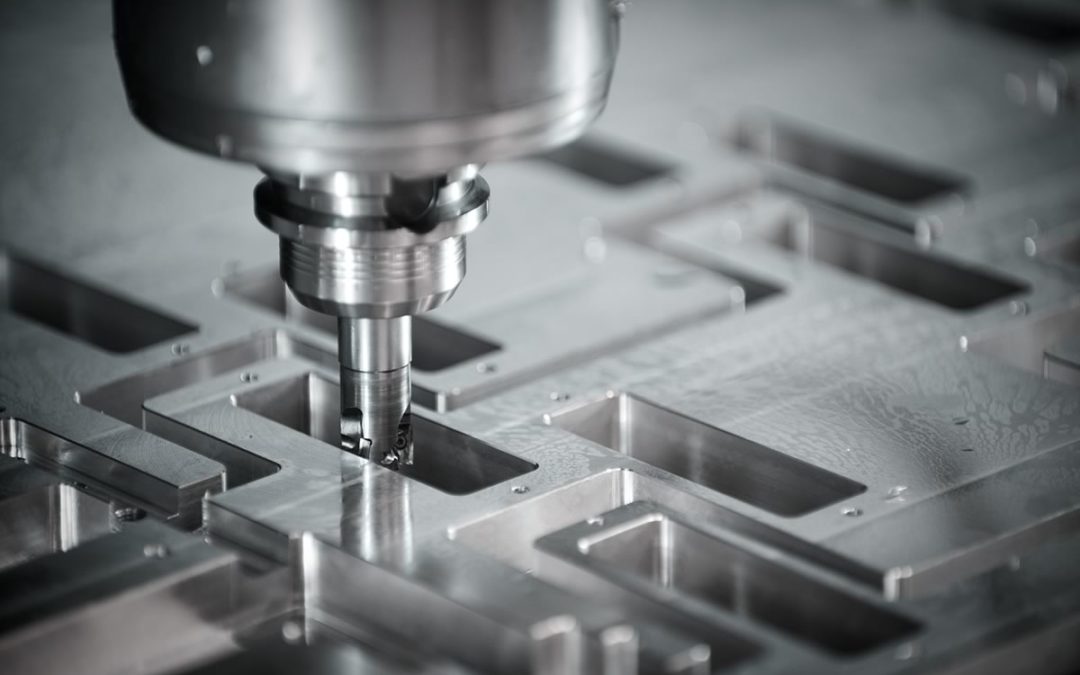
Manufacturing Infrastructure & Rigorous Quality Control
Combining world-class production facilities, precision multi-axis inspection equipment, and an unwavering commitment to engineering excellence.
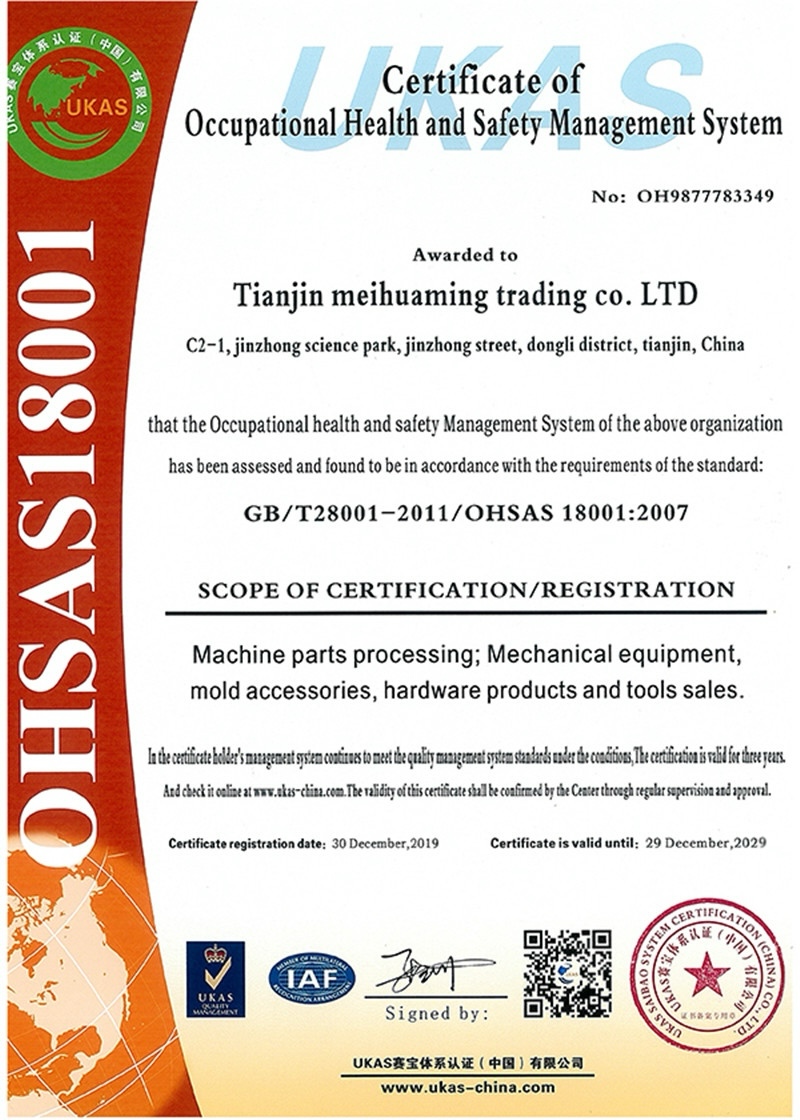
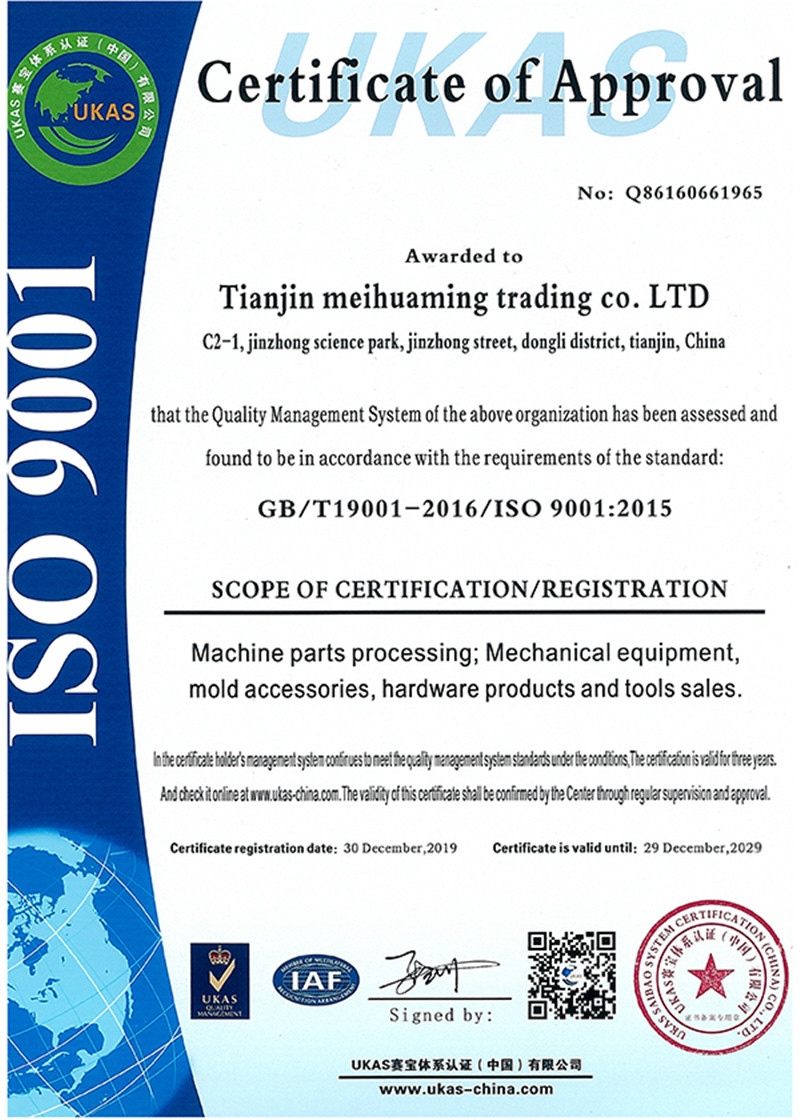
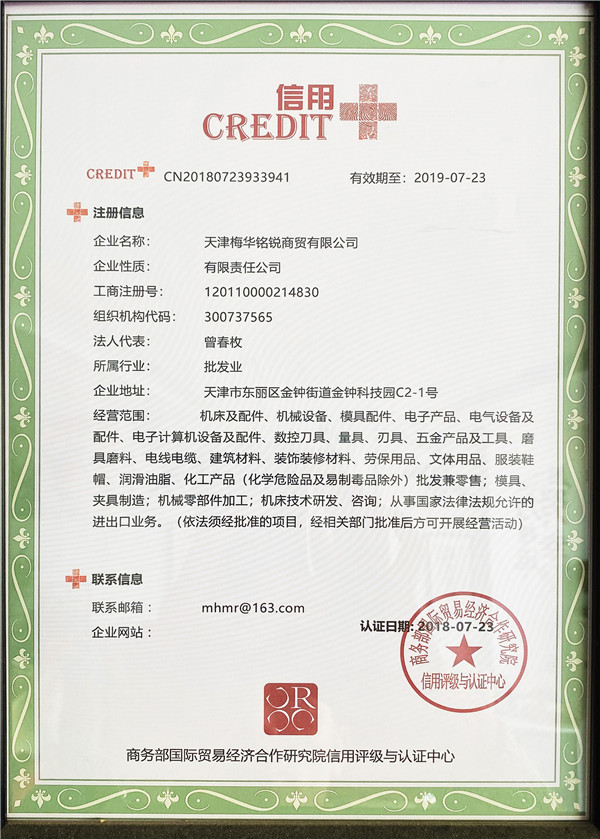
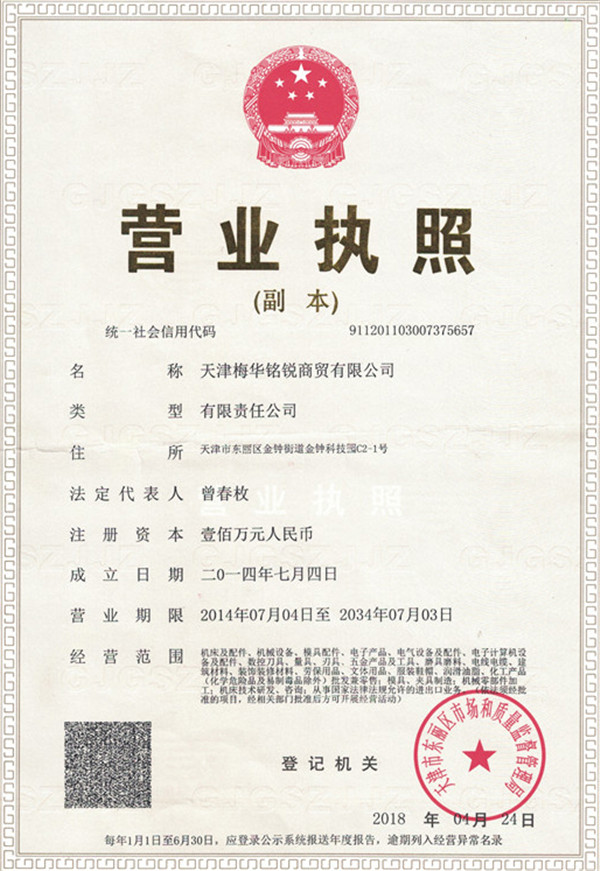
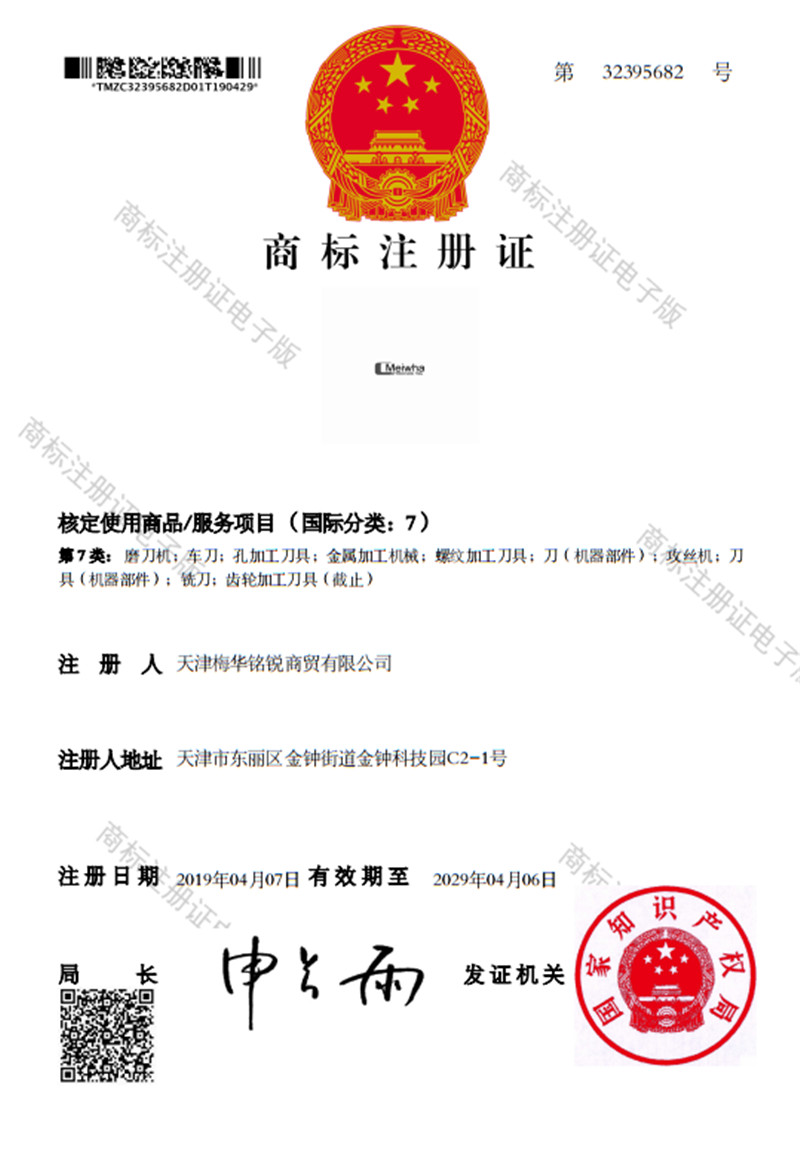
Certified Industry Honors & Quality Standards
Global Industrial Exhibitions & Technical Conferences
Demonstrating cutting-edge electric tapping systems, driven tool holders, and modular tooling solutions to machine tool professionals worldwide.


Technical Specification & Selection Guide for American Machine Shops
Crucial factors when purchasing, integrating, and operating servo electric tapping arms under US electrical standards and industrial tooling formats.
What electrical voltage specifications are required for operating servo electric tapping machines in the United States?
Standard electric tapping machines configured for the US market are equipped to run smoothly on standard 110V/120V single-phase 60Hz wall outlets for smaller arm models (M3 to M16). For heavy-duty models capable of tapping M36, M42, or M48 threads, machines typically operate on single-phase 220V/240V 60Hz power drops. Their brushless AC servo motors deliver continuous variable torque without relying on three-phase heavy power drops.
How do quick-change torque overload clutch tap holders prevent tool breakage in tough alloys?
Each quick-change tap chuck features an internal ball-detent clutch calibrated to the shear limit of specific tap sizes (ANSI, DIN, or JIS standards). When the tap strikes a hard spot, bottoms out in a blind hole, or experiences excessive chip packing, the mechanical clutch instantly disengages with a tactile click while the servo controller senses the current spike, safely stopping or retracting the tap within milliseconds.
How do electric tapping arms compare to CNC machine center rigid tapping cycles?
While CNC rigid tapping provides high accuracy, tying up an expensive vertical machining center (VMC) or horizontal machining center (HMC) to drill and tap large patterns wastes valuable spindle hours. Utilizing an articulated electric tapping arm allows an operator to thread secondary holes offline while the CNC performs primary roughing and finish profiling on subsequent parts, drastically reducing overall part cycle times and maximizing capital asset utilization.
OUR LATEST PRODUCTS: High-Performance Tool Holding & Accessories
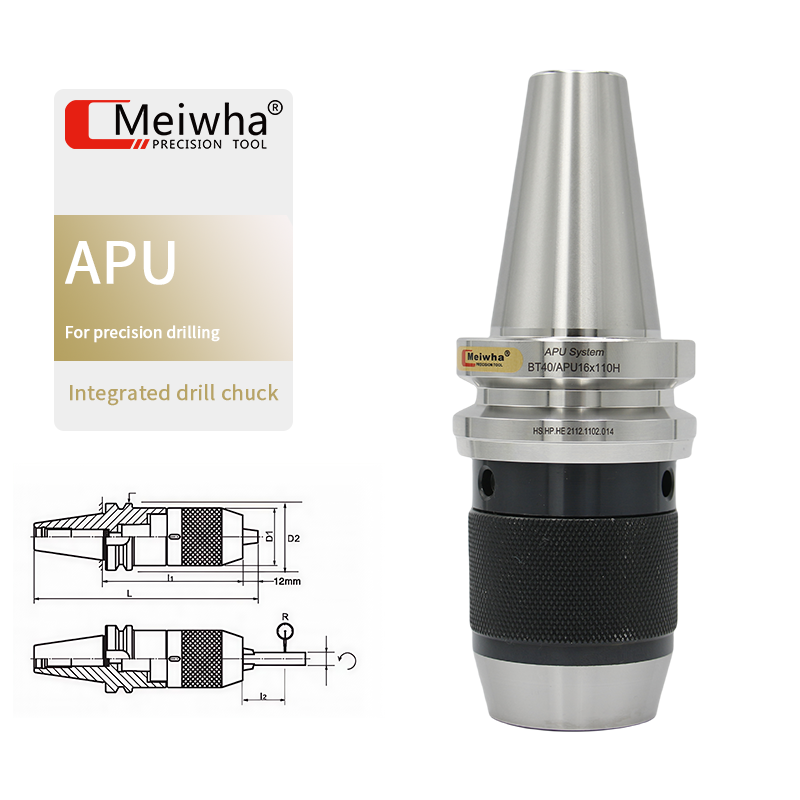
Explore our flagship precision toolholders, angle heads, driven units, and thermal shrink accessories engineered for unmatched runout accuracy and durability.





-
Taiwan head office: No. 138-198, Xing'an Road, Zhuangmeili, Dajia District, Taichung City, Taiwan台中市大甲區莊美里興安路138之198號Branch office: No.8 Baisui Science Industrial park,Haihang West Road,Ninghe District,Tianjin,China